Engineering / Hardware / prototype
HelmHUD
My Computer Engineering Senior Project. A heads-up display concept for bicycle helmets.
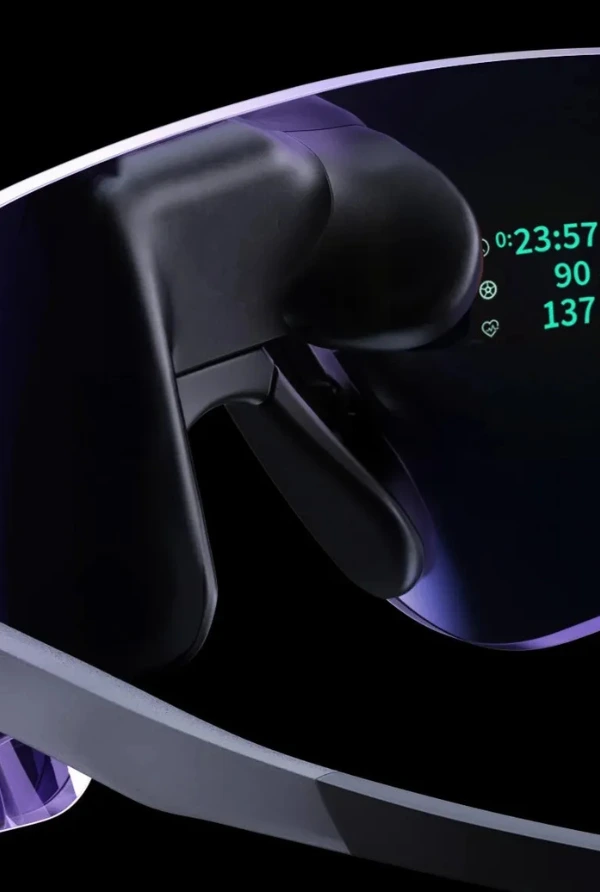
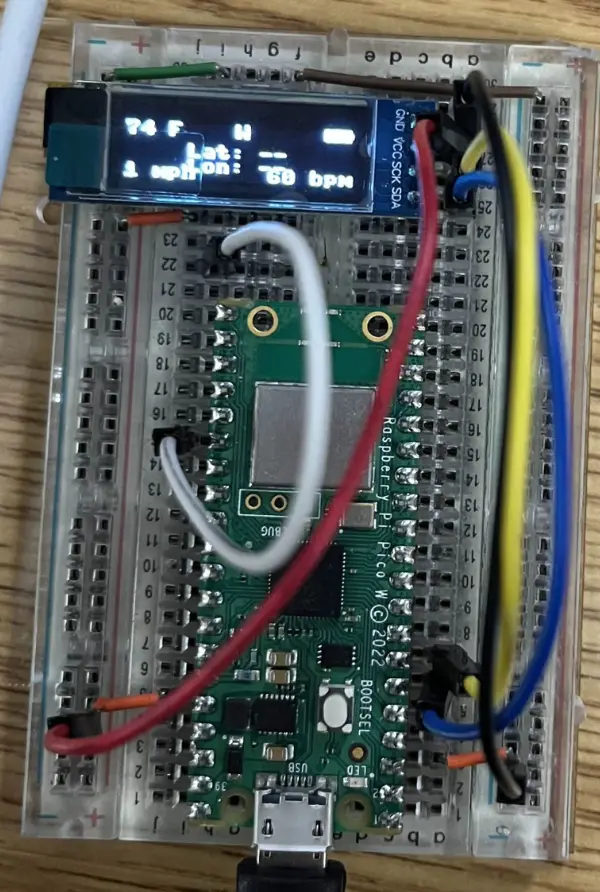
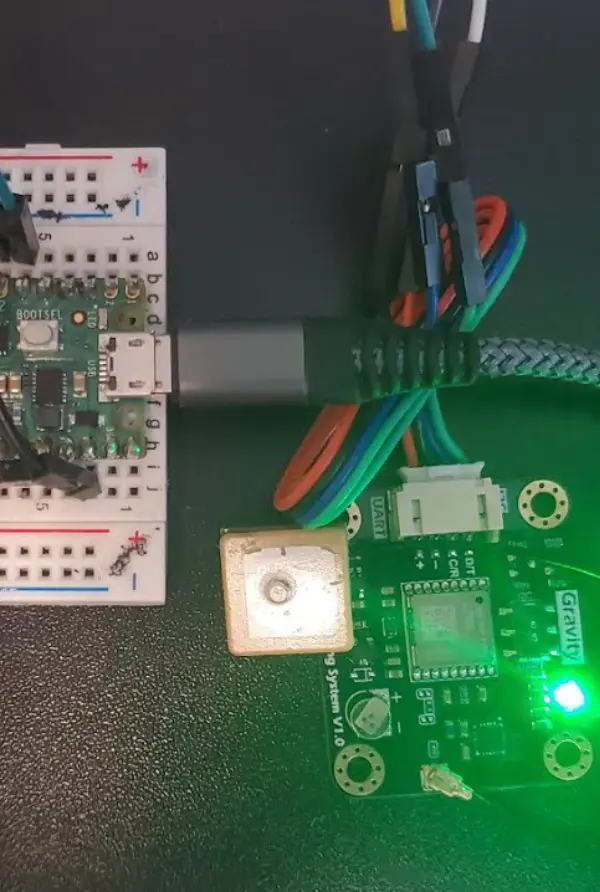
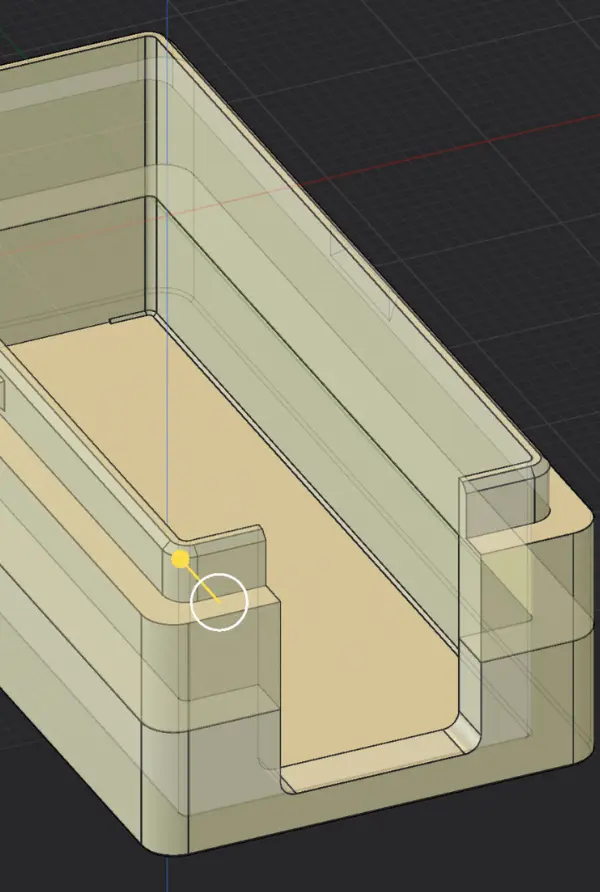
I mainly designed the mounts for the main module on the helmet and all the weatherproof cases for the various sensors. I also spent a lot of time determining the right display and lens combination for a close up, non-distorted experience. I also wrote the, battery calculation, BLE connection and data transmission scripts.
My team consisted of Vincent who wrote the heart rate, altitude, speed, cadence, and temperature algorithms. Carter who wrote the entire GPS algorithm allowing us to determine latitude, longitude and direction of the module. Hong who gave our weekly reports to the professor.
A wearable heads-up display designed for cyclists. The goal of the project is to present essential ride information directly within the rider’s field of view, reducing the need to look down at a bike computer while maintaining awareness of the road.
The system is built around a Raspberry Pi Pico W, which receives live sensor data over Bluetooth from compatible fitness devices. Telemetry such as heart rate, speed, altitude, temperature, and other ride metrics is processed and displayed through a compact micro-projection system integrated into the helmet.
To achieve a lightweight and unobtrusive display, my team explored airforce grade ** DLP micro-projector modules** and waveguide projectors, but due to budgets settled on a transparent OLED and fine tuned pancake lenses allowing information to appear as a transparent overlay that mounted to a helmet visor. Communication between the controller and display hardware is accomplished using embedded interfaces such as SPI, I²C, and UART.
A rechargeable lithium-polymer battery powers the system, with an emphasis on maximizing battery life while maintaining sufficient display brightness for outdoor use.
Objectives
- Display real-time ride data without requiring the rider to look away from the road.
- Develop a compact, lightweight HUD suitable for helmet integration.
- Minimize power consumption while maintaining outdoor visibility.
- Create a modular hardware platform that can support additional sensors and future software features.